Product
Scaling AI workflows without increasing complexity

Lucas Moreau
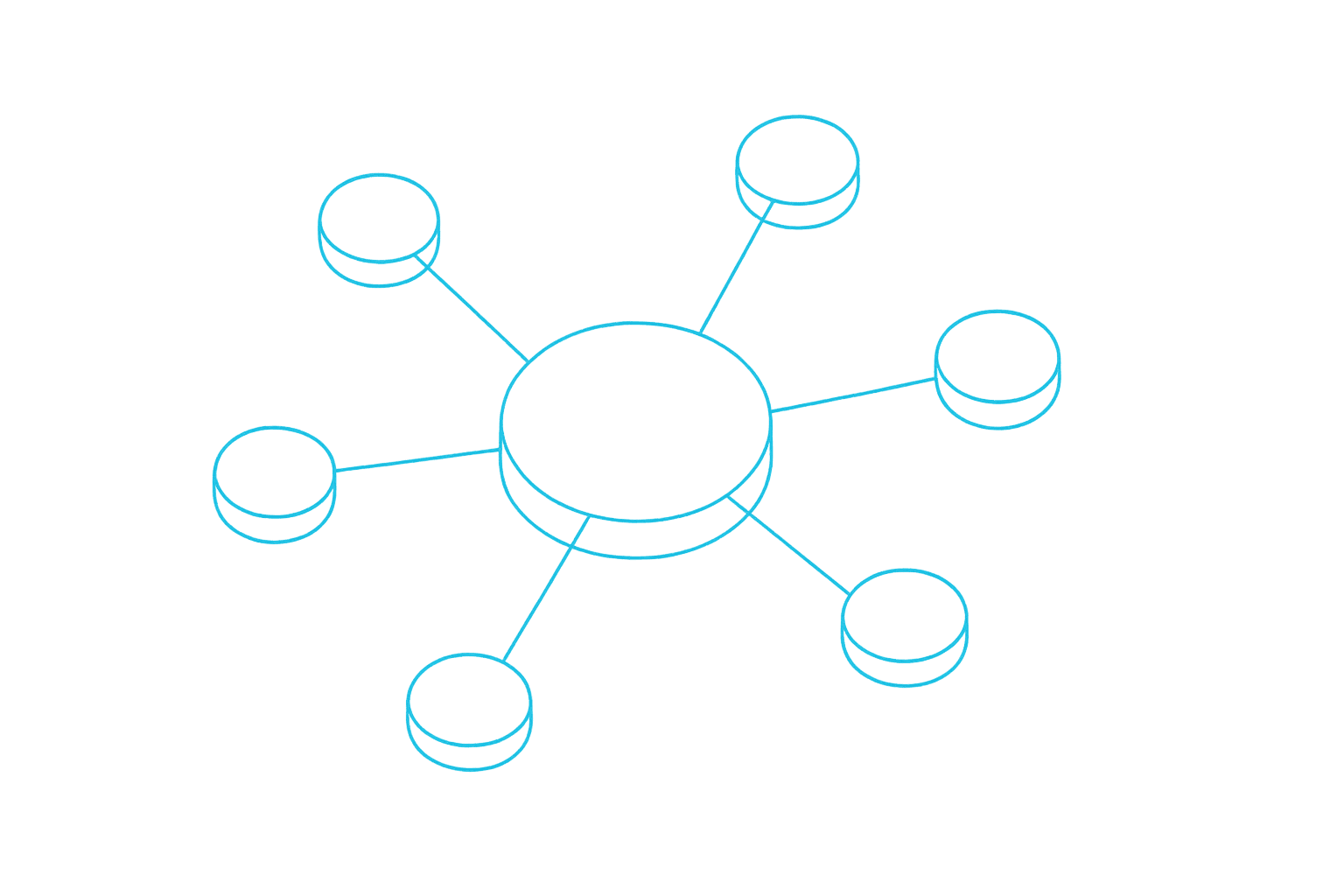
Complexity grows faster than usage
As teams adopt AI across more workflows, complexity often increases faster than actual usage.
What starts as a helpful automation can quickly turn into a web of rules, exceptions, and fragile dependencies. Scaling AI isn’t just about doing more — it’s about staying understandable.
Consistency beats customization
Teams often try to customize every workflow early on. While flexibility matters, too much customization makes systems hard to reason about.
Standardized patterns, shared rules, and repeatable workflows scale better than one-off solutions. Consistency reduces operational load.
Clear ownership prevents chaos
When AI systems touch multiple teams, unclear ownership becomes a problem.
Someone needs to know who is responsible for outcomes, approvals, and changes. Clear ownership keeps systems stable as they grow.
Scaling requires better defaults
Good defaults reduce the need for constant decisions.
When agents follow sensible defaults — escalation paths, approval thresholds, retry behavior — teams can scale usage without increasing cognitive overhead.
Measure impact, not activity
More automation doesn’t automatically mean better outcomes.
Teams should measure impact: time saved, errors reduced, and confidence gained. These signals matter more than raw activity metrics.
A calmer path to scale
At Sprig, we help teams scale AI workflows by reducing unnecessary complexity, not adding more layers.
Scaling works best when systems remain predictable, visible, and easy to reason about.